
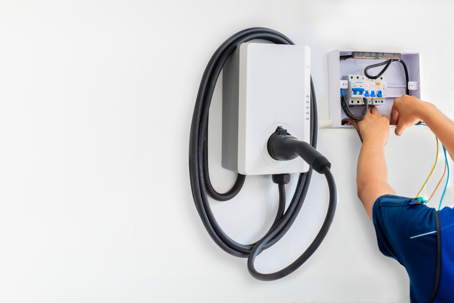
Are you considering purchasing a Tesla or an EV? That is fantastic! Then you need to avoid some of the common mistakes with EV/Tesla charger installation. Ensuring your charger is installed correctly is one of the most essential elements of this environmentally responsible path. A well-installed Tesla or EV charger optimizes the advantages of owning an electric car while guaranteeing efficiency and safety. Unfortunately, this is often the point of failure for new electric vehicle owners, who have to pay for unnecessary repairs and inefficiencies later on.
Our specialty at Princeton Electrical Makeover is installing EV/Tesla chargers flawlessly and precisely to meet your demands. Our group of licensed electricians is committed to providing excellent service, ensuring that every little thing is done with skill and accuracy. We are here to help you through the installation process since we know the importance of getting your EV/Tesla charger installed correctly the first time.
In this in-depth guide, we’ll walk you through the crucial procedures to help you avoid making frequent mistakes while installing an EV or Tesla charger. We can help you with everything from determining your charging requirements to choosing the best charger, assessing your electrical system, and more. After reading this post, you should have the information necessary to choose wisely and guarantee a smooth installation when working with Princeton Electrical Makeover as your reliable partner.
Are you prepared to confidently go off on your EV journey? Let’s get started and examine the essential factors for a faultless installation of an EV or Tesla charger. And never forget that Princeton Electrical Makeover is here to assist you at every turn, should you need it. Contact us right now to arrange a consultation and guarantee that your EV/Tesla charger installation is done correctly!
Knowing What You Need for EV Charging
It’s critical to comprehend your EV charging requirements before you even consider installation. Level 1, Level 2, and DC fast chargers are the three primary EV/Tesla charger categories. Level 1 chargers are slower and use regular household electricity. They can charge a vehicle up to 5 miles per hour. They are perfect for drivers who have enough time to charge their cars overnight. Level 2 chargers are appropriate for everyday travelers who demand faster recharge periods. They can deliver 10 to 60 miles of range per hour of charging and require a 240-volt outlet, much like you might use for a dryer. The fastest DC fast chargers can reach 60 to 100 miles of range in about 20 minutes; however, they are more costly and typically found in public charging stations rather than homes.
The optimum kind of charger for your lifestyle will depend on how you drive and how much you need to charge. Consider the distance you drive daily, how frequently you drive, and how long you charge your car. For instance, a Level 2 charger would be more suitable if you frequently drive large distances and have limited time for charging. However, a Level 1 charger can work fine if you drive short distances and leave your car plugged in all night. A clear understanding of these aspects will enable you to choose an EV/Tesla charger that best suits your requirements and gives you the efficiency and convenience you demand from an electric car.
Choosing Your EV’s Proper Charger
Making the best choice for your electric vehicle’s charger is crucial and depends on many factors. Let’s dissect the possibilities first. The most basic type of charger, Level 1, fits into a typical 120-volt household socket. They are affordable and straightforward to use, but they charge slowly—between two and five miles per hour. These are appropriate for drivers who can keep their cars charging overnight and don’t make large daily trips. With a 240-volt outlet needed, level 2 chargers can charge a device 10 to 60 miles per hour and are much faster. They are ideal for people who have to commute every day or require a quicker turnaround. Last but not least, DC Fast Chargers are the fastest; they can reach 60 to 100 miles of range in just 20 minutes. However, they are more expensive and are usually installed in businesses rather than in residences.
It’s crucial to consider specs and brand compatibility when choosing a charger. Ensure the charger you select is appropriate for your particular EV model. Numerous EV manufacturers, such as Tesla, provide chargers under their brands that are designed to work with their cars. On the other hand, multi-brand universal chargers are also available. Make sure the charger’s power output corresponds to your vehicle’s charging capacity by looking at it. Furthermore, consider future-proofing your configuration. Choosing a charger that can accommodate future modifications or more EVs in your home might prevent you from making further investments later on, especially since the EV market is expanding quickly. You may choose the best charger for your needs both now and in the future by carefully weighing these factors, which will guarantee dependable and effective charging for your electric vehicle.
Assessing Your Electrical Setup
It’s crucial to assess your home’s electrical infrastructure to make sure it can support the extra load before installing an EV/Tesla charger. To begin with, determine the capability of your electrical panel. A typical home’s 100- or 200-amp electrical panel can handle the power requirements of an EV/Tesla charger, particularly one that is a Level 2 or DC Fast Charger. You might need to improve your panel if it’s already almost at capacity in order to fit the charger. This is especially crucial for older homes, as they may have antiquated electrical systems that can’t keep up with today’s electrical needs. An electrician can do a load calculation to find out whether the new charger will work with your existing system and what has to be upgraded.
Take into account the wiring and circuit needs in addition to panel capacity. For instance, a Level 2 charger has its own 240-volt circuit, which would include installing additional wiring to connect your electrical panel to the charger’s position. To ensure safety and adherence to local rules, it is advisable to have a professional electrician manage this difficult operation. In addition, certain houses might need extra surge or grounding protection in order to use an EV/Tesla charger properly. By taking care of these things up front, you can make sure that your electrical system is strong enough to support the additional load and avoid future problems like tripped breakers, electrical fires, or battery damage to your car. You can guarantee a seamless and secure EV/Tesla charger installation process by carefully assessing and, if required, upgrading your electrical system.
Selecting the Best Place for Installation
Location, location, and more! It may surprise you to learn that location matters more when installing your charger. Although indoor installations are weatherproof, they may not be as practical. Installations outside must be weatherproof. Consider convenience and accessibility.
Hiring a Skilled Electrical Contractor
Hiring a certified electrician is essential for installing an EV/Tesla charger in order to ensure safety and adherence to local laws. EV/Tesla charger installation is complicated electrical work that calls for professional skills, despite the allure of do-it-yourself tasks. A licensed electrician is equipped with the skills and knowledge to evaluate the electrical system in your house, make the required improvements, and install the charger correctly. This guarantees not only the safety of the installation but also the effective and dependable operation of the charger.
There are several important steps to finding the proper electrician. Consult your EV manufacturer, friends, or family for recommendations first. Seek out electricians with EV/Tesla charger installation experience who are licensed, insured, and possess the necessary skills. To determine their dependability and level of work, look through their qualifications and evaluations. Obtaining different quotations is crucial for comparing costs and services. A competent electrician will present you with a thorough estimate and be open and honest about any extra expenses that might come up during the installation. Our team of experienced electricians at Princeton Electrical Makeover specializes in installing EV/Tesla chargers, and we provide excellent service and knowledge to guarantee that your installation is done correctly the first time. A smooth transition to electric car ownership is ensured when you work with an expert like Princeton Electrical Makeover.
Licenses and Rules
It is important to remember that navigating permits and regulations is a critical step in installing an EV/Tesla charger. Installing an EV/Tesla charger may necessitate acquiring certain approvals from local authorities, depending on your region. These permits guarantee that the installation complies with safety regulations and building laws in the area. Not obtaining the required licenses may result in fines, legal troubles, or difficulties selling your property. Furthermore, there are regional restrictions that apply to the installation of high-voltage equipment, such as DC Fast Chargers or Level 2 chargers; these regulations may contain prerequisites for electrical improvements or inspections. Working with a qualified electrician who is knowledgeable about local codes and can manage the permit process on your behalf will help expedite this process. At Princeton Electrical Makeover, we handle obtaining the required permissions and making sure your installation conforms with all applicable laws, giving you peace of mind and a hassle-free experience.
Setup Procedure
Let’s examine the specifics. To guarantee a seamless installation, follow these steps:
1. Evaluate the location.
2. If necessary, upgrade the electrical system.
3. Put the charging device in place.
4. Examine the charger.
5. Continue with routine upkeep.
Checklist for Post-Installation
It’s crucial to complete a comprehensive post-installation checklist after installing your EV/Tesla charger to make sure everything is operating securely and correctly. To ensure that the charger is functioning as intended, test it first with your car. Keep an eye out for any odd sounds, overheating, or error messages during the charging process. Verify the wiring and connections to make sure they are safe and undamaged. It’s crucial to read the user manual and familiarize yourself with the settings and functions of the charger. Maintaining your charger at its best requires routine maintenance; clean it and its parts occasionally. Check for wear and tear, and arrange for yearly professional examinations. In order to make sure your charger stays in excellent condition and continues to give you dependable and effective charging for many years to come, Princeton Electrical Makeover offers a thorough post-installation evaluation as well as continuous assistance.
Avoiding Typical Errors
Let’s point out a few typical pitfalls:
Neglecting Electrical Load Capacity: This may result in blackouts or worse.
Ignoring Manufacturer Guidelines: To prevent voiding warranties or breaking equipment, always abide by the manufacturer’s recommendations.
Controlling Installment Expenses
While installation can be costly, it doesn’t have to be prohibitively expensive. Make a meticulous budget and research any available discounts or incentives for installing EV/Tesla chargers.
Improving The Efficiency of Charging
It’s all about efficiency. To save money, think about using smart chargers and controlling your energy consumption by charging during off-peak hours.
Building a Future-Proof Charging Configuration
It’s crucial to future-proof your charging arrangement so that it can accommodate both your prospective future needs and the ever-advancing state of technology. A versatile and scalable charging solution can ultimately save you time and money as the EV industry expands and technology progresses. Installing a larger-capacity charger than you presently require can handle a larger variety of cars or future EVs you may acquire. Additionally, consider where the charger is located and whether it can be easily upgraded or expanded. Purchasing a smart charger that receives software updates will enable you to keep up with the most recent additions and features. At Princeton Electrical Makeover, we can offer you guidance on how to future-proof your system so that you’re ready for the growing popularity of electric cars and developments in charging infrastructure.
Economic and Environmental Advantages
Installing an EV/Tesla charger is convenient and benefits the environment. Reduced fuel expenses and potential tax benefits guarantee long-term financial savings.
Conclusion
Installing a Tesla or EV/Tesla charger is a big step in the direction of a sustainable future, but to fully reap the rewards, it needs to be done correctly. Every stage of the process, from determining your charging requirements and choosing the best charger to assessing your electrical system and guaranteeing expert installation, is vital to the overall effectiveness of your EV/Tesla charger setup.
We at Princeton Electrical Makeover are the go-to option for installing Tesla and EV/Tesla chargers. Our skilled group of licensed electricians is dedicated to providing top-notch assistance, making sure each installation is secure, effective, and customized to meet your unique requirements. We help you avoid typical blunders that may result in expensive repairs or inefficiencies, providing you with peace of mind and the optimal charging experience.
Are you prepared to switch to electric confidently? Princeton Electrical Makeover can help you navigate the procedure with ease. Make an appointment for a consultation with us right now, or call us at (609) 834-5524, and let us ensure that the installation of your Tesla charger or EV is done with the greatest care and accuracy. Select Princeton Electrical Makeover, and with the best in the industry at your side, go forward into a greener future!
Frequently Asked Questions
1. How Much Time Is Needed to Install an EV/Tesla Charger?
Installation usually takes a few hours, but the length of time depends on the kind of charger and the electrical system in your house.
2. How Much Does It Cost to Install an EV/Tesla Charger?
The price might vary from several hundred to several thousand dollars, contingent upon the type of charger and required electrical modifications.
3. Can I Put in My Own EV/Tesla Charger?
Hiring a qualified electrician is advised to guarantee safety and adherence to regional codes.
4. How Frequently Should My EV/Tesla Charger Be Serviced?
To guarantee optimal performance, annual maintenance checks should be carried out on a regular basis.
5. Do any rewards exist for installing electric vehicle chargers?
Yes, installing EV/Tesla chargers is eligible for incentives or rebates in many places. Consult your utility company or the local government.
The post Avoiding Common Mistakes with EV/Tesla Charger Installation appeared first on Princeton Electrical Makeover.