
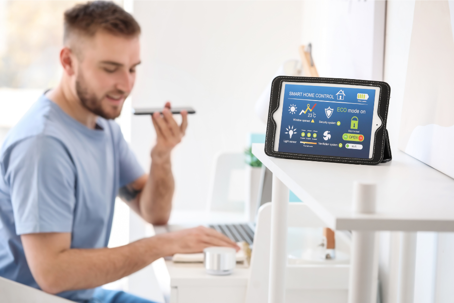
Welcome to Princeton Electrical Makeover’s smart house automation-enabled future of home life! Imagine waking up to the aroma of just-brewed coffee, your lights gently brightening to resemble the sunrise, and your thermostat already set to the ideal temperature. Doesn’t it sound like a dream? Well, you can make this dream come through with smart house automation. The term “smart house automation,” sometimes known as “smart home technology,” describes the process of managing and controlling home appliances and systems using internet-connected devices. It all comes down to making your life more efficient, comfortable, and easy. And Princeton Electrical Makeover is the perfect person to assist you in doing this.
Your go-to resource for anything electrical, including the newest in smart home technologies, is Princeton Electrical Makeover. Our expertise lies in installing solar panels, providing an economical and environmentally friendly way to power your smart home. Our skilled staff makes sure that your house uses renewable energy sources to lessen its carbon footprint, in addition to embracing contemporary conveniences.
Why then wait? Makeover your house with Princeton Electrical to create a smart haven now. For a consultation and to start your journey toward a smarter, greener house, get in touch with us right now!
Advantages of Automation for Smart Homes
So why should you think about adding intelligence to your home? Now let’s explore the advantages.
Comfort and Convenience
Convenience is one of the main benefits of automation for smart homes. You can operate your lights, thermostat, security system, and more with a few clicks on your smartphone or a short voice command. Imagine being able to change the temperature in your house while remaining in bed or being able to turn out all the lights without getting off the couch. Smart home technology improves your overall comfort and facilitates daily duties.
Efficiency in Energy
You can lower your utility expenses and save energy with the use of smart home gadgets. For example, smart thermostats can figure out when you’re not home and change the temperature or heat/cooling accordingly. When no one is in the room, smart lighting systems and smart plugs can automatically switch off lights and unplug electronics. Making the most of the energy in your house will help you save money and reduce your carbon footprint.
Enhanced Security
Another area where smart house automation shines is home security. Features like motion detection, remote monitoring, and live video surveillance are available with smart security systems. No matter where you are, you can watch live video from your security cameras and receive alerts on your phone if any strange activity is noticed. These cutting-edge security solutions shield your house from possible attacks and provide you peace of mind.
Increased Savings
Setting up a smart home requires an upfront investment, but there may be significant long-term cost benefits. Your power expenses will go down if you use energy-efficient appliances, and automated systems can prevent expensive damages like leaks and electrical problems. Furthermore, a lot of insurance providers reduce rates for houses that have smart security systems installed. The initial expenditures of smart home devices may be compensated for over time by these savings.
Critical Elements of Automation for Smart Homes
You’ll need to make some significant investments in order to build a smart home. Let’s examine what you’ll need in more detail.
Smart Hubs
Control Centers
Your smart home’s central nervous system, or smart hub, connects and manages a variety of gadgets. The Google Nest Hub, Samsung SmartThings, and Amazon Echo are a few well-known examples of smart hubs. With the help of these hubs, you can use voice commands or a single app to control all of your smart devices.
Integration Capabilities
It is crucial to take into account a smart hub’s compatibility with other devices when making your selection. Make sure the hub you choose can integrate with the devices you intend to use, as some hubs function better with specific brands or ecosystems than others.
Intelligent Lighting
Smart Light Types
From basic smart bulbs that you can install into existing fixtures to more sophisticated lighting systems with smart switches and dimmers, smart lighting systems provide a variety of alternatives. Popular options include brands like LIFX and Philips Hue, which offer a large selection of products and simple interaction with other smart home appliances.
Control Systems
Voice commands, automation procedures, and applications can all be used to operate smart lighting. For a more immersive experience, you may program your lights, make lighting scenarios, and even sync them with music or movies.
Smart Thermostats
Control of Energy
Smart thermostats—like the Ecobee and Nest Learning Thermostats—allow you to more effectively control the heating and cooling of your house. They become familiar with your routine and tastes and automatically change to save energy and maintain comfort in your house.
Regulation of Temperature
Using your smartphone and remote access, you may change your thermostat from any location. To guarantee that your home environment is always ideal, some smart thermostats also come equipped with cutting-edge capabilities like humidity management and air quality monitoring.
Intelligent Security Frameworks
Sensors and Cameras
Cameras, motion sensors, and door/window sensors are examples of gadgets found in smart security systems. You can monitor whole security solutions from your phone with brands like Ring, Arlo, and SimpliSafe. With these systems, you may monitor your house at any time and receive real-time notifications.
Alert Mechanisms
Many smart security systems come with alarm components that can discourage attackers and alert authorities in the event of a break-in, in addition to cameras and sensors. You can modify these systems to meet your own security requirements.
Smart Appliances
Appliances in the Kitchen
Ovens, dishwashers, and refrigerators are examples of smart kitchen appliances that can enhance your culinary experiences. A smart fridge, for instance, may monitor your shopping and make recipe recommendations based on the components you already have on hand.
Cleaning Gadgets
Other smart appliances that can save you time and effort include washing machines with built-in sensors and robotic vacuum cleaners like the iRobot Roomba. You may set these devices to clean your house or wash your laundry while you’re gone, which will give up extra time for you to unwind.
How to Configure a Smart Home
Are you prepared to begin? Here are some pointers to help you configure your smart home.
Selecting the Appropriate Smart Hub
For a flawless smart home experience, choosing the correct smart hub is essential. Think about things like usability, compatibility with your current devices, and your preferred ecosystem (e.g., Google, Amazon, Apple).
Interoperability and Sync
Make sure the smart devices you select can be incorporated into a cohesive system and are compatible with one another. Controlling every one of your gadgets from a single app or hub will be simpler as a result.
Installation Advice
While a lot of smart home appliances may be easily installed by the user, some might need to be set up by a professional. To make sure everything is installed correctly, carefully follow the manufacturer’s instructions, and don’t be afraid to ask for professional assistance when necessary.
Popular Smart Home Appliances
Consider some of the most well-liked smart home appliances listed below.
Amazon Echo
With voice commands, the Amazon Echo is a multipurpose smart speaker that can play music, answer queries, operate your smart home’s gadgets, and much more.
Google Nest
A variety of smart home gadgets, such as security cameras, speakers, displays, and thermostats, are available from Google Nest. All of your Nest devices can be controlled from a single location with the Google Home app.
Philips Hue
A large selection of lightbulbs, light strips, and fixtures are available from the well-known smart lighting system, Philips Hue. It is renowned for being simple to set up and integrate with other smart home technologies.
Ring Video Doorbell
With the Ring Video Doorbell, a smart security gadget, you can use your smartphone to see, hear, and converse with people who are at your door. It also has tools for video recording and motion sensing.
Platforms for Smart House Automation
You can manage your smart home appliances with the aid of multiple platforms. Let’s investigate some of them.
HomeKit from Apple
An easy-to-use and safe framework for managing your smart home appliances is provided by Apple HomeKit. It supports a large variety of compatible goods and interacts with iOS devices with ease.
Google Home
With a large selection of devices that are compatible and strong support for Google Assistant, Google Home offers a comprehensive platform for managing your smart home.
Amazon Alexa
is among the most widely used platforms for smart homes, providing a robust voice assistant and wide device compatibility.
SmartThings from Samsung
Samsung SmartThings is a flexible platform that works with many different brands of devices. You can design intricate automation schedules and manage your smart home from anywhere using the SmartThings app.
Do-it-yourself versus expert installation
You have a choice between expert setup and do-it-yourself installation when setting up your smart home.
[DIY Installation’s Benefits and Drawbacks]
Installing a smart home yourself can be more affordable and give you the freedom to configure it at your own speed. It might, however, call for some technological expertise and troubleshooting abilities.
Advantages of Expert Configuration
Having your smart home gadgets professionally installed guarantees that they are accurately configured and flawlessly connected. With increasingly complicated systems in particular, it can save you time and provide you piece of mind.
Maintaining Security in Smart House Automation
An essential component of smart house automation is security. Here are some security tips for your smart home.
Safeguarding Your Connection
Make sure your home network is safe by turning on encryption and using strong passwords. To keep your smart home gadgets apart from your main network, think about creating a secondary network for them.
Security Features of Devices
Select smart home appliances with strong security features, like frequent firmware upgrades and two-factor authentication. This will assist in shielding your gadgets from possible dangers.
Continuous Updating and Repair
Ensure that the firmware and software on your smart home appliances are up to date. Maintaining your equipment on a regular basis guarantees that they will be safe and effective.
Resolving Typical Problems
Problems can arise with even the most advanced smart home systems. These are a few typical issues along with their fixes.
Connectivity Issues
Try restarting your router or the smart device itself if it’s not connecting to your network. Make sure your Wi-Fi connection is robust, and if necessary, think about utilizing range extenders.
Device Malfunctions
Make sure a gadget is correctly linked with your smart hub and check for software upgrades if it’s not functioning properly. For assistance if issues continue, get in touch with the manufacturer’s support.
Challenges in Integration
Compatibility problems can occasionally arise between devices made by various brands. Examine and select devices that are known to function well together, then adhere to the integration instructions provided by the manufacturer.
Smart House Automation’s Future
There is a bright future for smart house automation because new trends and technology are appearing all the time.
New Technologies
The Internet of Things (IoT), machine learning, and artificial intelligence (AI) are some of the innovations propelling the advancement of smart home technologies. Even more efficiency, customisation, and convenience are promised by these developments.
Noteworthy Trends
Be aware of developments in voice control, smart health monitoring, and security feature enhancements. Smart homes will get even more intuitive and integrated as technology advances.
Conclusion
Our lifestyle is being completely transformed by smart house automation, which provides unmatched efficiency, convenience, and security. Now is the ideal moment to upgrade your home’s technology, whether your goals are to conserve energy, improve security, or just take advantage of the newest gadgets. A modern, connected sanctuary may be created in your living area with the help of the proper equipment, from thermostats and security systems to smart hubs and lights.
Our goal at Princeton Electrical Makeover is to assist you in realizing the best possible smart house experience. Our superior electrical solutions knowledge combined with state-of-the-art technology makes us the best option for smart house automation. Our team of experts is committed to providing excellent integration and installation services, making sure that your smart home runs smoothly and effectively.
Are you prepared to make your house a smart, energy-saving haven? For a consultation, get in touch with Princeton Electrical Makeover right now. Allow us to assist you in incorporating smart technology into your house so you may enjoy the advantages of a genuinely contemporary living space. For all of your smart house automation needs, call Princeton Electrical Makeover at (609) 834-5524, and start living in the future now!
Frequently Asked Questions
1. Which smart home hub is the best?
What you want and what you already own determine which smart home hub is ideal for you. The Samsung SmartThings, Google Nest Hub, and Amazon Echo have become popular choices.
2. Is it possible to hack smart home devices?
Even if there is a chance of hacking, you may lower the danger considerably by using strong passwords, turning on encryption, and keeping your smart home devices updated.
3. What is the price of automating a home?
Depending on how many and what kind of gadgets you select, the cost to automate a house might vary significantly. More complex systems can cost thousands of dollars, although basic configurations can cost just a few hundred.
4. Are smart home appliances compatible with every brand?
Not every smart home appliance works with every other one. It is crucial to investigate and select devices that are recognized to function effectively with one another or that are a member of the same ecosystem.
5. Is automation of a smart home beneficial?
Numerous advantages come with smart home automation, such as increased security, energy savings, and convenience. How much you appreciate these features and your particular tastes will determine if it’s worth it or not.
The post Smart House Automation 101: A Beginner’s Guide to Modern Living appeared first on Princeton Electrical Makeover.