
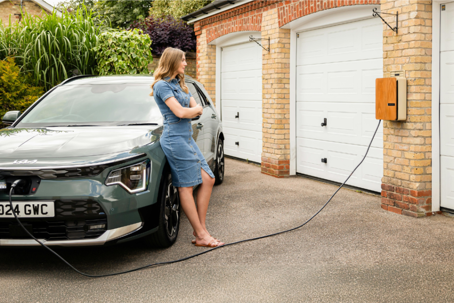
It’s true that range anxiety can occur, particularly when traveling long distances or experiencing an unplanned power loss. This is where portable EV chargers, your handy companion for keeping your EV charged wherever you are, come in. These useful gadgets are a necessity for any EV user, not simply a convenience. Because we know how important dependable charging options are, we at Princeton Electrical Makeover are here to help you navigate the world of portable EV chargers and provide expert installation services to make your life easier.
Understanding Portable EV Charger Types
In essence, we classify portable EV chargers according to their charging speed, which is directly related to the voltage they consume. Level 1 and Level 2 are the two main sorts you’ll come across. The simplest chargers are Level 1 models, which connect straight to a 120-volt household outlet. Often contributing only a few miles of range per hour, it’s convenient for topping off overnight or in situations where timing isn’t a vital consideration. Think of it like charging your phone slowly. Conversely, Level 2 chargers are more demanding and need a 240-volt outlet, similar to what is needed for an electric oven or clothes dryer. Tens of miles of range can frequently be added every hour thanks to the much faster charging made possible by this higher voltage. A Level 2 portable EV charger is the best option if you need to swiftly recharge your battery or are planning a lengthy road trip.
Your lifestyle and charging requirements will play a major role in your decision between the two. A Level 1 charger might be plenty if you mostly use your EV for quick commutes and have enough time to charge it overnight. Nonetheless, purchasing a Level 2 portable EV charger is a wise choice for people who regularly travel farther or require rapid charging options. Keep in mind that minimizing range anxiety and optimizing your EV’s potential depend on your ability to comprehend these differences.
Key Features to Look for in a Portable EV Charger
When exploring the world of portable EV chargers, it’s important to select a device that meets your unique demands while guaranteeing efficiency and safety, not just one that plugs in. Priority one should be given to the voltage and amperage ratings. The charging speed is directly determined by these numbers. Faster charging results from a larger amperage at a specific voltage. A Level 2 charger rated at 32 amps, for example, will charge much more quickly than one rated at 16 amps. To avoid buying a charger that is larger than what your automobile can accommodate, take into account the maximum charging capacity of your vehicle as well. Another important consideration is cable length; a longer cable gives you more freedom to move your car in relation to the power source, particularly in confined or unusual parking spaces. Additionally, don’t undervalue cable durability; you want something that can endure frequent use and travel.
Certifications for safety cannot be negotiated. Seek out chargers that have undergone testing and certification by respectable agencies such as ETL or UL. These certificates ensure that the gadget satisfies strict safety requirements, shielding you and your car from electrical risks. For safe operation, features like temperature monitoring, ground fault circuit interrupters (GFCIs), and overcurrent protection are crucial. Finally, think about the size and portability of the charger. If you intend to take it on road trips, you’ll want something that’s portable and easy to store. Although lightweight and compact designs are great, don’t forgo necessary functionality in favor of portability. The convenience of storage and transportation can also be greatly improved by a well-designed carrying case.
Top portable EV chargers for Road Trips
A portable EV charger that can withstand the rigors of long-distance driving is essential when taking an electric vehicle on a road trip. Models with high amperage and voltage ratings should be given preference when choosing a charger for this use. This will ensure quick charging and reduce downtime at charging pauses. In order to gain a substantial amount of range in a comparatively short length of time, look for Level 2 chargers with at least 32 amps. You can even customize the charging speed to the available power supply with certain models’ changeable amperage settings. Additionally, take into account chargers with longer cables, which offer you more flexibility while parking at different charging stations. Strong construction is also crucial; a charger made to resist vibrations and possible impacts from travel will end up being more dependable over time.
To maximize your road trip experience, search for portable EV chargers that provide smart features in addition to charging speed and durability. With some models’ integrated Bluetooth or Wi-Fi, you may remotely monitor and manage charging sessions using a smartphone app. These applications frequently include predicted charging timeframes, real-time charging status, and even the ability to plan charging sessions in order to benefit from off-peak electricity prices. Additionally, some chargers include built-in screens that quickly display crucial charging information. Additionally, chargers that have automatic shutoff and integrated temperature monitoring can guard against overheating and guarantee safety during extended charging sessions. Having a portable EV charger with these features is essential while traveling by car.
Emergency portable EV chargers: What You Need
In an emergency, having a trustworthy portable EV charger can be the difference between being stranded and surviving. Reliability and simplicity are crucial in these situations. Even under pressure, you’ll want a charger that’s simple to use and set up. Choose types that are lightweight and small so they may be easily stored in your car and instantly deployed when needed. Because a Level 1 charger may be plugged into any typical household outlet, it is frequently adequate for emergency use. Even though it might not charge quickly, it can still get you to your house or the closest charging station. Choose chargers with sturdy construction that can handle the demands of unforeseen circumstances and simple, user-friendly interfaces. In an emergency, having a dependable portable EV charger is essential.
When it comes to emergency charging, reliability cannot be compromised. Select a model from a reliable brand with a solid reputation for safety and quality. Seek out chargers with integrated safety features such as temperature monitoring, ground fault circuit interrupters (GFCIs), and overcurrent protection. In uncertain emergency situations, these qualities are especially crucial since they guarantee safe functioning and eliminate electrical risks. Additionally, take into account chargers with sturdy, long cables that provide flexible installation in a range of emergency situations. Additionally, some chargers have sturdy carrying cases that shield them from harm and facilitate portability. Keep in mind that an emergency portable EV charger is similar to a safety net; you’ll be happy to have one even if you never use it.
Safety Considerations When Using portable EV chargers
Safety should always come first while utilizing portable EV chargers. If handled improperly, electricity and automobiles can be a potentially hazardous mix. Above all, make sure the outlet you’re using is grounded. By giving stray electrical current a safe channel, grounding helps to avoid electrical fires and shocks. Before inserting your charger, always check the outlet for wear or damage. When charging your EV, avoid plugging in other high-power devices to avoid overloading circuits. Fires and overheating can result from overloading. Furthermore, pay attention to the cable’s condition; frayed or damaged wires might pose significant electrical risks. A charger with obvious damage should never be used. Make sure the electrical system in your house is up to code if you plan to use a portable EV charger there.
Extra care must be taken when handling charges in various weather situations. Because water and electricity don’t mix, don’t use your charger in standing water or during periods of intense rain. Make sure your charger is made for outdoor use and has the proper weatherproofing if you have to charge in damp conditions. Before handling the charger, always make sure both your hands and the charging port are dry. Extremes in temperature can also impact the safety and functionality of chargers. Your charger may overheat if you leave it in direct sunlight or extremely hot temperatures. Extreme cold can also impact the performance and flexibility of cables. Always adhere to the operating temperature recommendations provided by the manufacturer. Furthermore, while charging, disconnect the charger right away and get help from a professional if you detect any strange noises, odors, or smoke emanating from your car or charger. When handling any electrical item, particularly a portable EV charger, it is preferable to be safe than sorry.
Installation and Compatibility
Making sure that portable EV chargers are compatible with your car and electrical system is one of the most important factors. Different plug types are used by electric cars, and not all chargers work with all of them. Make sure the charging port type on your car (such as J1772, CCS, or CHAdeMO) matches the charger’s plug before making a purchase. Although adapters can occasionally fill in compatibility gaps, a direct match is usually better. Know the voltage requirements of the charger you have selected as well. Standard 120V outlets are used by Level 1 chargers, however 240V outlets are required for Level 2 chargers. A licensed electrician will need to install a 240V outlet if your house or the planned charging location does not already have one. In order to ensure safe and effective power distribution, this installation frequently entails operating a dedicated circuit from your electrical panel.
Although some EV owners may think of doing their own installation, it is highly advised to have expert help, particularly for Level 2 installations. In addition to causing electrical hazards like fires and shocks, improper installation might nullify your home insurance. These installations can be handled securely and effectively by qualified electricians, such as those at Princeton Electrical Makeover. They are able to evaluate your electrical system, identify the necessary circuits, and guarantee that your installation conforms with regional electrical codes. They can also give you advice on safe charging procedures and the ideal location for your charging outlet. Making ensuring a portable EV charger is placed correctly is crucial when using it.
Extending Your EV Range on the Go
It takes strategy to get the most out of your EV’s range on long trips or road vacations. Managing your driving and charging habits is just as important as the charger you use. Keeping a steady speed and avoiding abrupt acceleration and braking is one of the best strategies to save energy. Regenerative braking and smooth, progressive acceleration can greatly increase your range. Additionally, pay attention to your speed because faster speeds result in increased wind resistance, which uses more energy. Particularly on highways, driving at low speeds might have a significant impact. Use applications and internet tools to find charging stations along your route, and plan your trip with stops for charging in mind. Try to schedule your charging sessions around mealtimes or relaxation periods. This will enable you to refuel without substantially affecting the duration of your journey. Being effective is crucial while utilizing a portable EV charger while on the go.
Additionally, think about how climate control affects the range of your EV. Systems for heating and cooling can use a lot of energy, especially during hot or cold weather. Use ventilation systems or seat heaters rather than the primary climate control if at all possible. Another way to save battery life while driving is to precondition your car while it’s still plugged in. Efficiency can also be increased by lowering the weight you transport in your car. Eliminating extraneous objects might increase your range because excess weight demands more energy to move. Lastly, keep a careful eye on your car’s estimated range and energy usage. The majority of EVs give you real-time information on their energy consumption and range, so you can modify your driving style accordingly. You may greatly increase the range of your EV and lessen range anxiety by being careful with how you drive and charge it.
Budget-Friendly Portable EV Charger Options
A good portable EV charger doesn’t have to cost the earth. Numerous reasonably priced choices with dependable performance are available. Before making a purchase, simply read reviews and conduct research. A good portable EV charger may be purchased for less than $500.
The Future of Portable EV Charging
Technology breakthroughs and the growing need for practical and effective charging solutions are driving a rapid evolution in the portable EV charging market. The advent of wireless charging technology is among the most exciting breakthroughs. Imagine your EV charging without the need for cords or outlets as soon as you pull into a parking space. Even though this technology is still in its infancy, it has enormous potential to improve consumer convenience and streamline the charging process. Significant advancements in charging speed are also being seen, as ultra-fast chargers that can add hundreds of miles of range in a matter of minutes have been developed. These developments are essential for mitigating range anxiety and increasing the viability of long-distance electric vehicle travel. Additionally, EVs and chargers can interact and optimize charging sessions based on variables like grid demand, electricity costs, and customer preferences thanks to the growing popularity of smart charging systems. In addition to increasing charging efficiency, this smart technology integration will support grid sustainability and stability. The portable EV charger has a highly promising future.
In addition to technology developments, we’re witnessing a trend toward charging infrastructure that is more widely available and accessible. Expanding charging access in a variety of settings, such as distant places and temporary event venues, will be made possible by portable charging solutions, especially those that are small and adaptable. Portable EV chargers will become even more useful as a result of advancements in battery technology, such as solid-state batteries, which will also boost energy density and speed up charging times. Furthermore, EV charging will become even more sustainable with the incorporation of renewable energy sources, such as solar and wind power, into charging networks. We can anticipate a rise in competition and innovation as the EV industry expands, which will result in the creation of increasingly more sophisticated and approachable portable EV charging systems. These developments will hasten the shift to a cleaner and more sustainable transportation future while also improving the experience of EV ownership.
Maintaining Your Portable EV Charger
To guarantee optimum performance and safety, your portable EV charger needs routine maintenance, just like any other electrical device. Storage must be done correctly. Keep your charger out of direct sunlight and extremely hot or cold environments when not in use. Because moisture can harm internal components and present electrical dangers, it should not be stored in damp settings. Coil the cable neatly to avoid kinks and tangles, which over time may cause harm. To shield the charger from dust, grime, and physical damage, think about utilizing a special storage bag or case. Check the housing, plugs, and cable frequently for wear or damage. Check for broken housing, fractured plugs, or frayed wires. Stop using the charger right away and have it fixed or replaced by a trained technician if you see any damage. Maintaining the condition of your portable EV charger will keep you safe.
Maintaining your portable EV charger also requires routine cleaning. Wipe the charger and cable’s outside with a gentle, dry cloth. Steer clear of abrasive cleaners and aggressive chemicals as they can harm the materials. Examine the connectors and plugs carefully to make sure there is no dirt or debris on them. If need, remove any accumulation with pressurized air or a soft brush. Make sure the grounding pin is clean and undamaged by checking it on a regular basis. A damaged or unclean grounding pin can jeopardize the charger’s protective features because grounding is essential for safety. Additionally, clean your charger’s cooling fans and filters on a regular basis to avoid dust accumulation, which can obstruct airflow and cause overheating. Lastly, always adhere to the maintenance suggestions and directions provided by the manufacturer. They frequently offer detailed guidelines for maintenance, cleaning, and storage practices. You can prolong the life of your portable EV charger and guarantee safe and dependable charging for many years to come by following these recommendations and doing routine maintenance.
Troubleshooting Common Portable EV Charger Issues
Occasionally, things go awry. Check the connections, confirm that the outlet is operational, and refer to the charger’s documentation if your charger isn’t functioning. Seek expert assistance if everything else fails. Please contact us at Princeton Electrical Makeover if you are experiencing any problems with your portable EV charger.
Portable EV chargers and Environmental Impact
One important step in lowering our carbon footprint and lessening the effects of climate change is the transition to electric automobiles. Because they provide dependable and effective charging, portable EV chargers are essential to optimizing the environmental advantages of EVs. Since EVs run entirely on electricity, they have zero tailpipe emissions, which drastically lowers air pollution in cities and promotes healthier, cleaner surroundings. But EVs’ effects on the environment go beyond their exhaust emissions. It also affects where the electricity needed to charge EVs comes from. The environmental advantages increase if the electricity is generated using renewable resources like wind or solar energy. The carbon footprint of EV charging can be further decreased by using portable EV chargers, particularly those made for smart charging, which can adjust charging schedules to align with times when renewable energy production is at its highest. If clean electricity is used, using a portable EV charger benefits the environment.
Additionally, there are environmental effects associated with the manufacture and disposal of EV batteries and charging equipment. Utilizing recycled materials and putting in place closed-loop recycling systems are two examples of the sustainable practices that manufacturers are putting more and more emphasis on. Portable EV chargers with long-lasting and robust designs can also help cut down on waste. Furthermore, minimizing the environmental impact of electricity generation and distribution can be achieved through the development of smart charging infrastructure that optimizes energy use and lessens grid pressure. Prioritizing sustainable practices across the whole lifecycle of EVs and charging equipment is essential as the EV market grows. We can fully reap the environmental benefits of electric vehicles and build a cleaner, more sustainable future by adopting ethical manufacturing, effective charging, and the integration of renewable energy sources.
Why Princeton Electrical Makeover is Your Best Choice for Installation
We at Princeton Electrical Makeover are EV aficionados in addition to being electricians. We are dedicated to offering excellent installation services since we recognize the special requirements of EV users. We stand out for our knowledge, dependability, and customer support. You’re choosing peace of mind when you pick us.
Empowering Your EV Journey with the Right Portable EV Charger
To sum up, portable EV chargers are essential equipment for any EV owner, whether you’re planning an emergency or taking a road trip. You can make the best decision if you are aware of the various kinds, important characteristics, and safety factors. Keep in mind that purchasing a high-quality charger offers peace of mind in addition to convenience. Princeton Electrical Makeover is the best option for installation and making sure everything is completed effectively and safely. We’re empowering your electric vehicle journey, not just setting up a charger. We are the preferred supplier for all of your EV charging requirements due to our experience and dedication to client satisfaction. Range anxiety shouldn’t be a hindrance. Get in touch with Princeton Electrical Makeover right now at (609) 834-5524, and we will assist you in locating and setting up the ideal portable EV charging system for your way of life. Our goal is to make driving an electric vehicle smooth and stress-free while making sure you’re always prepared for any situation that may arise.
FAQs
1. Can I connect my electric car to any portable EV charger?
Not always. Make sure the charger is compatible with the plug type and voltage requirements of your car. Prior to making a purchase, always review the manufacturer’s specifications. The right charger for your car can be found with the assistance of Princeton Electrical Makeover.
2. How much time does it take to use a portable charger to charge an EV?
The charger’s level (Level 1 or Level 2), the battery capacity of your car, and the charger’s amperage all affect how long it takes to charge. Level 2 chargers offer a significantly faster charge than Level 1 ones.
3. it okay to use portable EV chargers in the rain?
The majority of contemporary portable EV chargers are built with weather protection measures. It’s imperative to adhere to the manufacturer’s instructions, though, and keep damaged or exposed chargers out of standing water and strong rain.
4. Does a Level 2 portable EV charger require a specific outlet?
Indeed, Level 2 chargers need a 240V outlet, just like ovens or dryers do. If you don’t already have one, a skilled electrician like Princeton Electrical Makeover will need to install it.
5. Can I charge my EV at any regular outlet using a portable EV charger?
Typical 120V residential outlets can be used with Level 1 chargers. But it’s crucial to confirm that the circuit and outlet can support the load. For Level 2 charging, a 240V outlet is needed. Get in touch with Princeton Electrical Makeover if you have any questions.
The post The Best Portable EV Chargers for Road Trips and Emergencies appeared first on Princeton Electrical Makeover.