
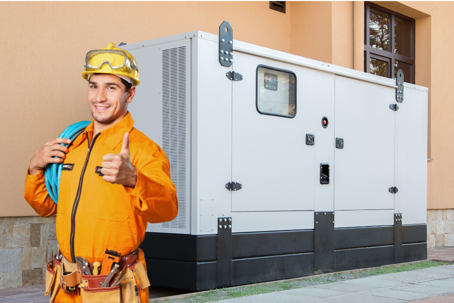
These days, owning a generator entails having a dependable backup power source, which is not only a need but an essential luxury. A generator can be your best friend in the event of an unexpected power loss or sudden storm, keeping your house operational even when the grid is down. But how can you pick the best option when so many are available? Everything you require to choose the ideal generator for your house will be covered in this article.
At Princeton Electrical Makeover, we recognize how difficult it may be to select the ideal generator. Because of this, we are here to assist. We can help you with anything from choosing the appropriate size to making sure it’s installed correctly. Are you all set to locate the perfect generator? Now, let’s get started!
Understanding the Importance of a Backup Generator
It is a fact that power outages can occur at any time. Losing power may disrupt your entire day, whether it is the result of regular maintenance, a natural calamity, or a grid breakdown. This is the reason why owning a backup generator is essential. Maintaining the functionality of your vital appliances, such as refrigerators and medical equipment, is more important than simply keeping the lights on.
During an outage, a dependable generator can keep you comfortable and safe. Imagine being able to prevent food from spoiling in the summer heat or keeping your house warm during a winter storm. Having a generator makes you feel secure in knowing you are ready for any situation.
Generator Types
There isn’t a single generator that works for everyone. Your unique needs and situation will determine the kind of generator you select. Let’s examine the primary kinds:
Portable Generators
Because of their versatility, portable generators can be used for various occasions, including home emergencies and camping excursions. Many households choose them since they are generally more affordable and smaller than standby generators. They are best suited for temporary use, though, and they need to be manually configured.
Standby Generators
For those seeking something more long-term, a backup generator could be the best option. When the power goes out, these outside-of-your-home generators start up on their own. They can continuously supply power during prolonged blackouts and are more powerful than portable generators. Additionally, they can be linked to your house’s propane or natural gas supply, guaranteeing a consistent fuel source.
Inverter Generators
A more recent solution with certain unique advantages is the inverter generator. Compared to conventional generators, they are quieter, more fuel-efficient, and generate cleaner power. They are, therefore, perfect for safely powering delicate devices like computers and televisions.
Sizing Your Generator
One of the most crucial decisions you will make when selecting a generator is making sure it is the proper size for your needs. Your vital appliances won’t run on a too tiny generator, and a too big generator may be a wast of money and ineffective.
Calculating Power Needs
Make a list of every piece of equipment and gadget you wish to have electricity for during a blackout. Next, figure out the entire amount of power needed. Remember to factor in the initial wattage of equipment, such as air conditioners and refrigerators, as this might differ much from their continuous wattage.
Understanding Watts and Kilowatts
Watts or kilowatts are the common ratings for generators (1 kilowatt = 1,000 watts). Choosing the appropriate generator requires an understanding of these measurements. A smaller home might need a generator with a 5,000-watt output, whereas a larger one with more appliances might need one with a 20,000-watt output or higher.
Choosing the Right Size for Your Home
After determining your power requirements, you can select a generator that satisfies them. Remember that it’s usually preferable to slightly overestimate your needs instead of underestimating them. This guarantees that if you need to power more appliances than you had anticipated, you won’t be left in the dark.
Fuel Options for Generators
The kind of fuel your generator runs on will impact its cost, efficiency, and environmental effects. Here are some of the most popular fuel choices:
Gasoline
The most popular fuel for portable generators is gasoline. Although readily available and simple to store, its shelf life is somewhat limited, and it can be costly in an emergency.
Diesel
Diesel generators have a reputation for being reliable and fuel-efficient. Although they are frequently utilized in business settings, if you have a consistent fuel supply, they can also be a suitable option for residential use.
Propane
Propane is a fuel with a long shelf life, clean burning, and ease of storage. It’s a great choice for people searching for a more environmentally friendly fuel substitute than gasoline or diesel and is frequently utilized in standby generators.
Natural Gas
A practical and affordable fuel choice for standby generators is natural gas. This can be a hassle-free alternative if your house is already linked to a natural gas line because you won’t have to bother about fuel storage.
Key Features to Look for in a Generator
There are a few features to take into account when looking for a generator:
Automatic Transfer Switch
An automated transfer switch (ATS) can program your generator to turn on when the power goes out and to turn off when it comes back on. This is an essential function for standby generators because it guarantees that you won’t be left in the dark.
Remote Monitoring
Some contemporary generators have remote monitoring features that allow you to examine the generator’s condition from a computer or smartphone. When the power goes out while you’re away from home, this can be helpful.
Noise Levels
It’s important to consider the noise level of a generator, particularly if you reside in a heavily populated region. Generators can be noisy. Although inverter generators are generally quieter, you can also search for ones that have features that lessen noise.
Fuel Efficiency
Another important consideration is fuel efficiency, which will dictate how long your generator can operate on a single fuel tank. Seek for models with increased fuel efficiency and longer run times.
Installation Considerations
For your generator to run safely and effectively, proper installation is essential. The following are some points to remember:
Professional Installation
It is always advised to have a professional install standby generators. This guarantees that all local codes and regulations are observed and that the generator is correctly linked to your home’s electrical system.
Placement and Safety
To avoid carbon monoxide buildup, place your generator in a well-ventilated area far from windows, doors, and vents. Adhere to the clearance and placement restrictions provided by the manufacturer.
Local Regulations and Licenses
Verify whether you require any permits before installing a generator by contacting your local authorities. Certain regions have laws pertaining to the installation of generators, such as rules for placement and noise levels.
Maintenance and Longevity
Frequent maintenance is crucial to maintaining the optimal performance of your generator. What you should know is as follows:
Suggested Routine Maintenance
Regular maintenance can help your generator last longer. Examples of routine maintenance include oil changes, filter replacements, and spark plug inspections. Adhere to the maintenance schedule provided by the manufacturer and maintain a record of any maintenance performed.
Fixing Typical Problems
Generators can occasionally encounter problems, even with routine maintenance. Battery failure, fuel system troubles, and blocked air filters are common issues. Having troubleshooting skills can help you avoid wasting time and money.
Extending the Life of Your Generator
Maintaining your generator regularly, storing it properly, and making repairs on time will all help it last longer. To prevent fuel degradation, think about adding a gasoline stabilizer. To maintain the generator’s functionality, use it regularly.
Cost Considerations
When creating a budget for a generator, it’s important to factor in installation and continuing maintenance expenses in addition to the generator’s original purchase price.
First Purchase
The cost of a generator can vary significantly based on its size, kind, and features. Although standby generators can cost more, portable generators might not be as convenient or produce as much power.
cost of Installation
Standby generator installation can be expensive, particularly if you need to improve your home’s electrical infrastructure. Be sure you obtain many quotations from certified experts to be sure you’re getting a reasonable deal.
Continuous Maintenance
Maintaining your generator at optimal performance requires routine maintenance, which you should include in your budget. Some manufacturers offer maintenance plans that help spread the cost over time.
Generators’ Effects on the Environment
In particular, their emissions can affect the environment. What you should know is as follows:
Emissions and Eco-Friendly Options
Emissions from conventional generators, such as nitrogen oxides and carbon monoxide, can be hazardous. If you care about the environment, you might choose a generator that emits fewer emissions or use natural gas or propane as an alternate fuel source.
Minimizing Your Carbon Impact
There are further actions you may do to lessen your carbon impact in addition to selecting an environmentally friendly generator. One way to lessen the effects of a generator is to use energy-efficient equipment and reduce overall energy consumption.
Selecting the Right Brand
Brand reputation matters when it comes to generators. This is the reason why:
Top Generator Brands
Numerous companies, including Cummins, Honda, and Generac, are renowned for their dependability and efficiency. At Princeton Electrical Makeover, we suggest contacting us to recommend the best brand due to each brand’s uniquness. Depending on your needs, we will recommend a brand with exceptional blend of longevity, customer service, and quality.
Warranties and Support
A quality guarantee can shield your investment and provide you peace of mind. Observe the following:
Understanding Warranties
It’s important to study the fine print of generator warranties because they can differ in length and scope. Seek a warranty that includes parts and labor coverage, and if one is offered, consider getting an extended warranty.
Importance of Customer Support
Having dependable customer service is essential, particularly if your generator breaks down. Princeton Electrical Makeover provides all-encompassing assistance from installation to maintenance, so you’re never left in the dark.
Readiness for Emergencies
Being equipped with a generator is merely one aspect of disaster preparedness. This is how to draft a comprehensive plan for a power outage:
Developing a Plan for Power Outages
First, determine which appliances and essential systems you will need to power during a blackout. Then, make sure your generator is ready to operate, has enough fuel, and has completed any required maintenance.
Guidelines for Safe Generator Operation
The most important thing to consider when utilizing a generator is safety. As the manufacturer directs, store the generator outside in a well-ventilated space and never refill it while it’s operating.
Reasons to Choose Princeton Electrical Makeover
At Princeton Electrical Makeover, we are very satisfied with offering superior knowledge and assistance. We’re with you every step of the way, from helping you select the ideal generator to making sure it’s installed properly and effectively. Check out our client testimonials to learn why we’re the preferred option for homeowners instead of taking our word for it.
Conclusion
Selecting the ideal generator for your house is an important choice that will affect your comfort and safety in the event of a power loss. With the necessary knowledge and professional assistance, you can choose a generator that satisfies your needs and gives you peace of mind.
We at Princeton Electrical Makeover are here to support you at every turn. We’re your best option for generators, whether you need help selecting the correct model or expert installation services. Contact us right now at (609) 834-5524 to find out more and start protecting the power supply in your house.
FAQs pertaining to Generators
The following are some frequent inquiries from homeowners regarding generators:
1. For what duration can a generator operate nonstop?
As long as they have fuel, most generators can run for several hours to days, depending on the type and fuel supply.
2. Can I run my whole house on a generator?
You can power your complete home with a standby generator that is the right size, but you must accurately determine how much power you will need.
3. How frequently should I maintain my generator?
Ideally, routine maintenance should be carried out every 100 hours of use or at least once a year.
4. Is it safe to run a generator in the rain?
Unless they are made expressly for it, generators should never be used in rainy weather. Use them in a dry, well-ventilated location at all times.
5. How can I tell whether my generator is strong enough?
Determine the combined wattage of the appliances you wish to run and ensure your generator can support the load.
The post Generator: How to Select the Perfect Backup Power Solution for Your Home appeared first on Princeton Electrical Makeover.